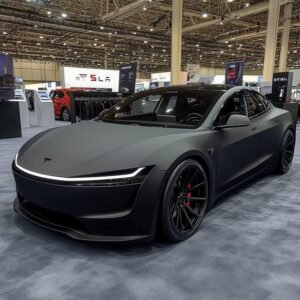
XPeng AeroHT Flying Car
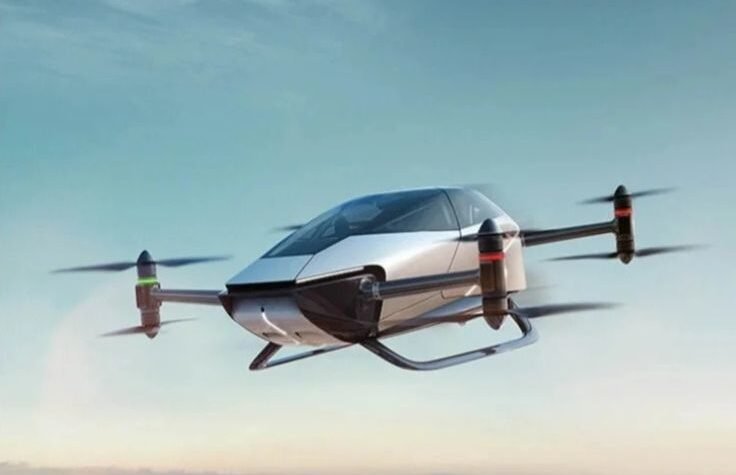
XPeng AeroHT Flying Car Range: How Far Can This Flying Car Really Travel?
The idea of a flying car has moved from science fiction toward real-world technology, and XPeng AeroHT is one of the companies attracting major attention in this futuristic transportation industry. With its advanced flying-car concepts, XPeng AeroHT aims to combine the convenience of a road vehicle with the freedom of personal air travel.
One of the biggest questions for potential buyers and technology enthusiasts is simple: What is the XPeng AeroHT flying car range? Range is an important factor because a flying car needs enough energy to travel safely through the air while also remaining practical for everyday transportation.

What Is the XPeng AeroHT Flying Car?
XPeng AeroHT is a flying-car division associated with XPeng, a Chinese technology and electric-vehicle company. Its projects focus on developing vehicles capable of both road transportation and short-distance flight.
Unlike a conventional car, a flying car needs two different types of performance. It must operate efficiently on roads while also providing enough power for vertical or aerial movement. This makes battery capacity, electric motors, weight, aerodynamics and flight efficiency extremely important.
XPeng AeroHT has demonstrated futuristic concepts designed to make personal air mobility more accessible. However, specifications can vary considerably between different prototypes and production-oriented models.
XPeng AeroHT Flying Car Range
When discussing XPeng AeroHT flying car range, it is important to understand that there is not one universal range figure for every AeroHT vehicle. The company has developed multiple concepts, and their road-driving and flight capabilities are different.
Some AeroHT concepts are designed as modular vehicles, combining a ground vehicle with a separate aerial aircraft. Other designs focus on an integrated flying-car format.
The actual flight range depends on factors such as:
- Battery capacity
- Passenger weight
- Weather conditions
- Flight speed
- Wind resistance
- Takeoff and landing requirements
- Payload
- Flight altitude
- Energy management
Because flying requires substantially different energy demands from normal driving, the aerial range should not be compared directly with the driving range of a conventional electric car.
Why Range Matters in a Flying Car
Range is arguably one of the most important specifications for the future of flying cars. A vehicle could have impressive technology and an attractive design, but limited range would restrict where it could realistically be used.
For example, a flying car with a short practical flight range could be useful for short urban journeys, avoiding traffic congestion and connecting nearby areas. A longer-range aircraft could potentially become more useful for regional transportation.
For XPeng AeroHT, achieving a balance between flight range, safety, battery weight and performance is one of the major engineering challenges.
Electric Power and Battery Technology
XPeng AeroHT’s flying-car technology is closely connected to electric propulsion. Electric motors offer several advantages for future aerial vehicles because they can provide instant torque, relatively simple mechanical systems and potentially lower operating complexity than traditional combustion engines.
However, batteries remain a major limitation.
A flying vehicle needs to carry enough energy for takeoff, flight, maneuvering and landing. At the same time, adding a larger battery increases vehicle weight. More weight requires more energy, creating a difficult engineering balance.
This is why battery technology will play a major role in determining the future range of XPeng AeroHT flying cars.
Flight Range vs. Driving Range
One important point is that the road range and flight range are not the same thing.
On the road, an electric vehicle can travel relatively efficiently because it uses its wheels and road surface to move forward. In the air, the vehicle must generate lift and overcome aerodynamic resistance.
As a result, a flying car may offer a respectable road-driving range while having a much shorter practical flight range.
This dual-purpose capability is one of the most interesting aspects of XPeng AeroHT’s approach. Drivers could potentially use the vehicle normally on the road and switch to aerial transportation when suitable infrastructure and regulations allow it.
Performance and Flying Experience
Range is only one part of the flying-car experience. Performance also matters.
A practical flying car needs stable flight controls, reliable electric motors, intelligent navigation and safety systems. Vertical takeoff and landing can be particularly demanding because the vehicle requires significant power during these phases.
XPeng AeroHT has focused heavily on autonomous and intelligent technology in its broader vehicle ecosystem. Applying advanced software and control systems to aerial transportation could make future flying vehicles easier to operate.
The goal is not simply to create a vehicle that can fly, but to develop one that ordinary users can operate safely.
Safety Technology
Safety will be one of the biggest factors determining whether flying cars become mainstream.
A road vehicle can normally pull over if it experiences a problem. An aircraft does not have the same luxury. Flying cars therefore need advanced redundancy and emergency systems.
Future XPeng AeroHT vehicles may require technologies such as:
- Multiple electric motors
- Flight-control redundancy
- Obstacle detection
- Intelligent navigation
- Automated landing assistance
- Real-time vehicle monitoring
- Emergency power management
These systems could help make personal aerial transportation safer and more practical.
Can the XPeng AeroHT Flying Car Replace a Normal Car?
At this stage, flying cars are more likely to complement conventional vehicles rather than completely replace them.
Most daily journeys are relatively short and can easily be completed using normal cars. Flying becomes more valuable when road traffic creates significant delays or when geographical obstacles make ground transportation inefficient.
For example, future flying cars could potentially help commuters travel between cities, reach difficult locations or bypass heavily congested roads.
However, widespread adoption will require more than impressive technology. Governments will need to establish aviation regulations, pilot requirements, air-traffic systems, landing zones and safety standards.
The Future of XPeng AeroHT Flying Cars
The future of XPeng AeroHT depends on several major developments. Battery technology must continue improving, while manufacturing costs need to decrease.
Infrastructure will also be critical. Flying cars cannot become mainstream if there are no safe places to take off, land, charge and maintain them.
Urban air mobility could eventually create an entirely new transportation ecosystem. Instead of spending hours in traffic, commuters might travel through the air over selected routes.
XPeng AeroHT is positioning itself within this emerging market by developing technology that combines automotive engineering with aviation.
Final Thoughts
The XPeng AeroHT flying car range is an exciting topic because it highlights both the possibilities and challenges of future transportation. While exact range specifications depend on the particular AeroHT model and its final production configuration, range will remain one of the most important factors in determining how useful these vehicles become.
The technology behind a flying car is considerably more complicated than that of a traditional electric vehicle. Engineers must balance battery capacity, weight, flight performance, safety and road usability.
XPeng AeroHT’s progress demonstrates how quickly transportation technology is evolving. As batteries improve and regulations develop, flying cars could eventually move from demonstrations and prototypes into practical transportation.
For now, XPeng AeroHT represents an important step toward a future where roads and skies could become part of the same transportation network.
#XPengAeroHT #XPengFlyingCar #FlyingCar #FlyingCars2026 #FlyingCarRange