1934 rolls royce park ward
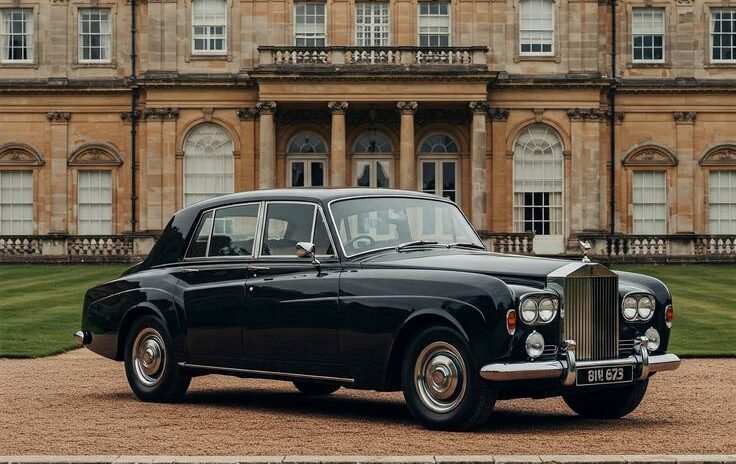
The 1934 Rolls-Royce Park Ward represents one of the most fascinating chapters in the history of British luxury automobiles. Built during an era when automobiles were crafted with extraordinary attention to detail, the Park Ward name became closely associated with elegant coach built bodies and the prestigious Rolls-Royce brand. Even today, classic-car enthusiasts admire these vehicles for their beautiful proportions, craftsmanship, engineering, and historical importance.
Unlike modern luxury cars that are designed and manufactured almost entirely by a single company, automobiles such as the 1934 Rolls-Royce Park Ward were created during a time when coach builders played a major role in giving each vehicle its individual character. Park Ward was one of Britain’s respected coach building firms, producing elegant bodies for prestigious Rolls-Royce chassis.
A Remarkable Era in Automotive History
The early 1930s were an important period for Rolls-Royce. Luxury automobile buyers wanted more than transportation. They wanted individuality, refinement, comfort, and a vehicle that reflected their social status and personal taste.
Rolls-Royce supplied sophisticated mechanical chassis, while specialist coach builders could create customized bodywork. This approach allowed wealthy customers to commission vehicles that were different from ordinary production automobiles.
The 1934 Park Ward is therefore important because it reflects this traditional coach built philosophy. Every detail could contribute to the personality of the automobile, from the shape of the body to the interior materials and finishing touches.
Elegant Exterior Design
The exterior design of a 1934 Rolls-Royce Park Ward has a timeless character. Its long proportions, upright presence, carefully shaped bodywork, and classic radiator design create an unmistakably vintage appearance.
The famous Rolls-Royce radiator became an important visual symbol during this period. Its upright shape gave the car an authoritative presence, while the carefully designed body created an elegant balance between luxury and practicality.
Large fenders, traditional running boards, prominent headlights, and beautifully finished body panels helped define the appearance of automobiles from this era. Instead of the aggressive styling found on many modern performance cars, the Park Ward focused on dignity and sophistication.
This is one reason classic Rolls-Royce automobiles remain visually appealing decades after they were built.
Park Ward Coach building Excellence
One of the most interesting aspects of the 1934 Rolls-Royce Park Ward is its coach built construction. Park Ward had established a strong reputation for creating high-quality automobile bodies for luxury manufacturers and private customers.
Coach building allowed customers to have a vehicle created according to their preferences. The result was an automobile that could feel far more personal than a standardized production model.
Craftsmen paid close attention to body lines, materials, woodwork, upholstery, and finishing. Such craftsmanship required significant skill because many processes were performed with techniques that were far more traditional than those used in modern automotive manufacturing.
The Park Ward name therefore represents not simply a car but an important tradition in British automobile craftsmanship.
Interior Luxury and Comfort
The interior of a classic Rolls-Royce was designed around comfort and refinement rather than digital technology or extreme performance.
High-quality materials, carefully finished wood, traditional instruments, comfortable seating, and detailed upholstery contributed to the luxurious atmosphere. Passengers could enjoy a quiet and comfortable environment while traveling.
There were no giant touchscreen displays, smartphone integration, or advanced electronic driver-assistance systems. Instead, luxury was communicated through craftsmanship, materials, space, and attention to detail.
That philosophy makes the 1934 Rolls-Royce Park Ward fascinating for modern collectors. It demonstrates how the definition of luxury has changed while some principles—quality, exclusivity, and craftsmanship—have remained important.
Engineering and Driving Character
Rolls-Royce automobiles of the 1930s were engineered with a strong emphasis on smoothness, durability, and refinement. The mechanical engineering was developed for owners who expected a high level of comfort and dependable performance.
The driving experience of a vintage Rolls-Royce is naturally very different from that of a modern luxury vehicle. Steering, braking, suspension, and engine response reflect the technology of the period.
Rather than delivering the instant acceleration associated with today’s performance cars, the automobile provides a slower and more deliberate driving experience. For collectors, this is part of the appeal.
Driving a vehicle from this era can feel like traveling through automotive history.
Why the 1934 Park Ward Is Special
The 1934 Rolls-Royce Park Ward is special for several reasons. First, it represents the traditional British coach building industry. Second, it carries the prestige of the Rolls-Royce name. Third, surviving examples can provide a valuable connection to the design and engineering philosophy of the 1930s.
Classic Rolls-Royce vehicles are also appreciated because they represent an era when luxury automobiles were often treated almost like works of art.
A modern luxury car may contain more technology, produce more power, and offer significantly greater safety. However, a vintage coach built automobile can provide something completely different: authenticity, history, and handcrafted character.
Collector and Classic-Car Appeal
For collectors, historical significance is often just as important as performance. The value and desirability of a classic automobile can depend on its originality, condition, provenance, coach builder, chassis history, restoration quality, and documentation.
A well-preserved Park Ward-bodied Rolls-Royce can attract attention at classic-car exhibitions, concourse events, auctions, and private collections.
Collectors also appreciate the rarity of surviving examples. Every authentic historic vehicle carries a story about the era in which it was created and the people who owned it.
For this reason, the 1934 Park Ward can be considered much more than an old automobile. It is a piece of British automotive heritage.
A Symbol of British Luxury
Rolls-Royce has long been associated with prestige, elegance, and exceptional craftsmanship. The 1934 Park Ward fits naturally into this history.
Its design reflects a period when luxury automobiles were symbols of status and individuality. Wealthy owners could commission distinctive vehicles instead of simply selecting a standard model from a showroom.
The result was an automobile industry where engineering companies and coach builders worked together to create highly personalized vehicles.
The Park Ward story helps demonstrate why British coach building became so respected around the world.
1934 Rolls-Royce Park Ward vs. Modern Luxury Cars
Comparing the Park Ward with a modern Rolls-Royce reveals how dramatically automobiles have evolved.
Modern Rolls-Royce models offer advanced technology, powerful engines, sophisticated suspension systems, climate control, advanced entertainment systems, and extensive safety features.
The 1934 Park Ward offers none of these modern conveniences. Instead, its strengths are its historical character, handcrafted construction, elegant design, and mechanical simplicity.
A modern Rolls-Royce is designed to provide effortless luxury in contemporary conditions. The Park Ward provides an experience centered around heritage and craftsmanship.
Both represent luxury, but they express that luxury in completely different ways.
Final Thoughts
The 1934 Rolls-Royce Park Ward remains a fascinating symbol of classic British automotive craftsmanship. Its elegant design, coach built character, historical importance, and association with Rolls-Royce make it an appealing automobile for enthusiasts and collectors.
Although automotive technology has advanced enormously since the 1930s, the appeal of a beautifully crafted classic automobile has not disappeared. The Park Ward reminds us of a time when luxury cars were created with patience, individuality, and extraordinary attention to detail.
For classic-car enthusiasts, the 1934 Rolls-Royce Park Ward is not simply an automobile from the past. It is a representation of an era when cars could be personal expressions of craftsmanship, prestige, and timeless British elegancl