
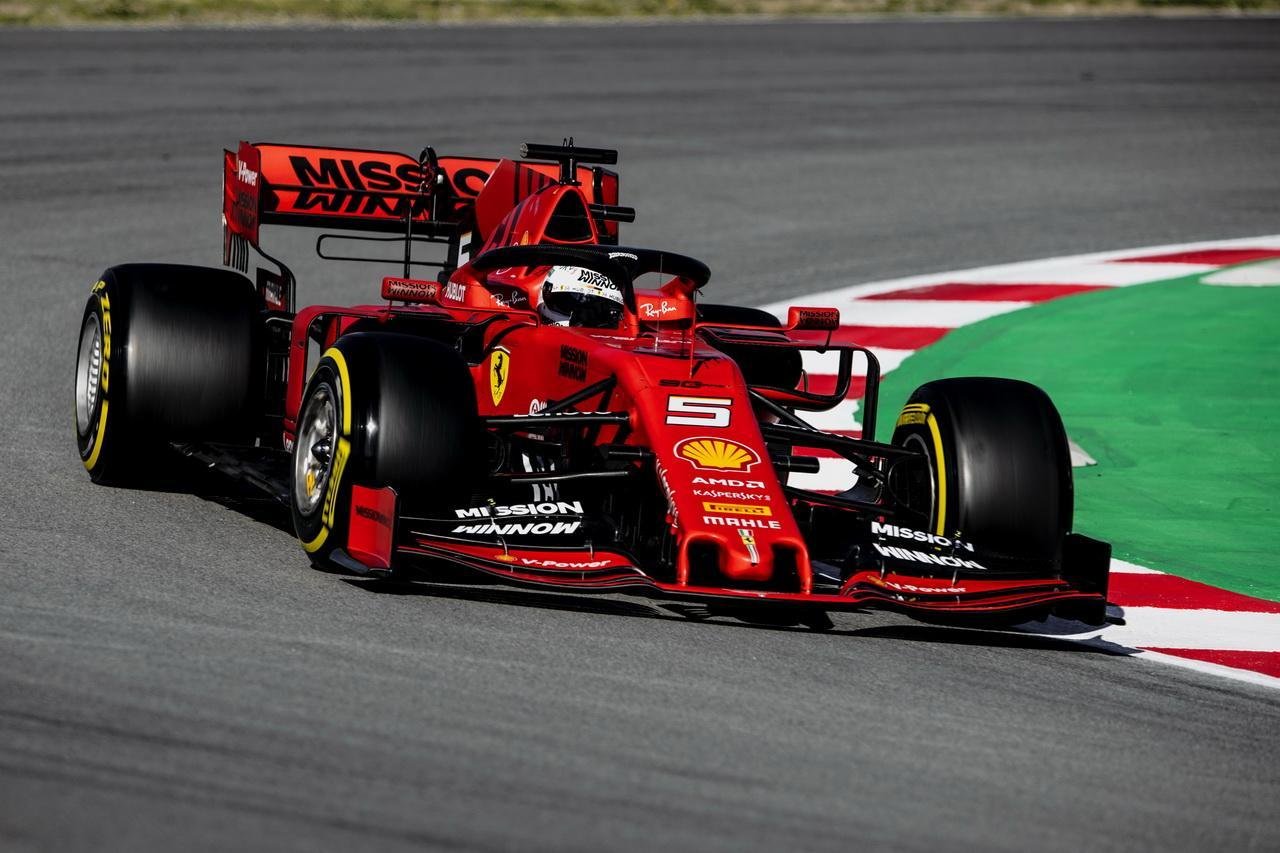
Formula 1 cars are among the fastest racing cars in the world. They are designed with advanced technology, powerful hybrid engines, and aerodynamic bodywork to deliver incredible speed.
But how fast do F1 cars actually go? Most Formula 1 cars can reach speeds of around 300–350 km/h (186–217 mph), depending on the race track and conditions.
How Fast Do F1 Cars Go in MPH?
Modern F1 cars can reach approximately 186–217 mph on long straights. Their speed depends on the circuit layout, weather, tire condition, and aerodynamic setup.
Some tracks allow higher speeds, while others have more corners that require drivers to slow down.
What Is the Fastest Speed Ever Recorded by an F1 Car?

One of the most recognized official Grand Prix speed records is 372.5 km/h (231.4 mph), achieved by Valtteri Bottas at the 2016 Mexican Grand Prix.
A specially modified Honda F1-based car also reached 397.36 km/h (246.9 mph) during a straight-line speed test in 2006. This was not a normal Grand Prix race.
How Quickly Can an F1 Car Accelerate?
A modern Formula 1 car can accelerate from 0 to 60 mph in approximately 2.5–2.6 seconds under suitable conditions.
This impressive acceleration comes from its lightweight construction, powerful hybrid system, and racing tires.
Why Are F1 Cars So Fast?
There are several reasons behind the incredible speed of Formula 1 cars:
- Powerful engines: Modern F1 cars use turbocharged V6 hybrid power units.
- Aerodynamics: Special wings create downforce and improve grip.
- Lightweight materials: Carbon fiber helps reduce vehicle weight.
- Racing tires: Special tires provide grip during acceleration and cornering.
- Advanced braking: Powerful braking systems help drivers slow down before corners.
Which F1 Track Allows the Highest Speeds?
Monza in Italy is famous for its long straights and high-speed sections. Baku is another circuit where drivers can reach impressive speeds.
In comparison, Monaco has tight corners and narrow streets, so cars generally reach lower maximum speeds there.
What Changed in 2026 F1 Cars?
The 2026 Formula 1 regulations introduced a new generation of cars with updated power units and aerodynamic systems.
The new regulations increase the importance of electrical power and introduce active aerodynamics. These changes aim to make the cars more efficient while maintaining exciting racing performance.
Frequently Asked Questions
1. How fast do F1 cars go in mph?
Most F1 cars reach approximately 186–217 mph on suitable straights.
2. Can an F1 car reach 250 mph?
A specially modified F1-based car has reached close to 247 mph in a speed test, but this is not a normal Grand Prix speed.
3. How fast is an F1 car from 0 to 60 mph?
A modern F1 car can achieve this in around 2.5–2.6 seconds under suitable conditions.
4. Which is the fastest F1 circuit?
Monza is widely known for its high-speed racing and long straights.
5. Are F1 cars faster than normal sports cars?
F1 cars are generally much faster around racing circuits because of their specialized tires, aerodynamics, and braking systems.
Final Thoughts
Formula 1 cars combine speed, technology, and engineering. Their ability to reach more than 200 mph makes them some of the most impressive racing machines in motorsport.
From powerful hybrid engines to advanced aerodynamics, every part of an F1 car is designed to improve performance on the track.
Visit the official Formula 1 website for the latest F1 news, race results, driver information, team updates, and racing details.
Official Link: https://www.formula1.com/
#F1 #Formula1 #F1Cars #HowFastDoF1CarsGo #F1Facts #F1TopSpeed #Monza #SpeedFacts #MotorSport #Racing #FastestCars #SportsCars #F1News #CarFacts #Car galaxy
F1 cars, Formula 1, F1 top speed, how fast do F1 cars go, fastest F1 car, F1 speed record, F1 facts, F1 acceleration, Monza, F1 vs Bugatti



Pingback: 2026 Tesla Roadster: What Is New? - CAR GALAXY